1. Start by Identifying What Type of Pool You Have
Before learning how to care for a pool, it helps to understand what you are working with. Common residential pool types include:
In-ground concrete or gunite pool
The most common pool type in Southwest Florida. Requires interior finish maintenance.
Pool with attached spa
Shares equipment with the pool but may have separate heating, jets, and valve positions.
Saltwater pool
Uses a salt chlorine generator to produce chlorine. Still requires water-balance management.
Traditionally chlorinated pool
Chlorine is added manually or through a chemical feeder rather than a salt system.
Heated pool
May use a gas heater, heat pump, or solar system. Heating type affects operating cost and response time.
Pool with automation
Equipment is controlled through a central panel or mobile app. Schedules and settings vary.
Pool with water features
Waterfalls, bubblers, or laminar jets add visual appeal and may have separate controls.
Screen-enclosed pool
A screen cage reduces debris and sun exposure. Screen condition affects maintenance needs.
Older remodeled pool
May have updated equipment alongside original plumbing or structural components.
Newly constructed pool
Has startup and curing requirements specific to the finish and equipment installed.
2. Learn the Main Pool Components
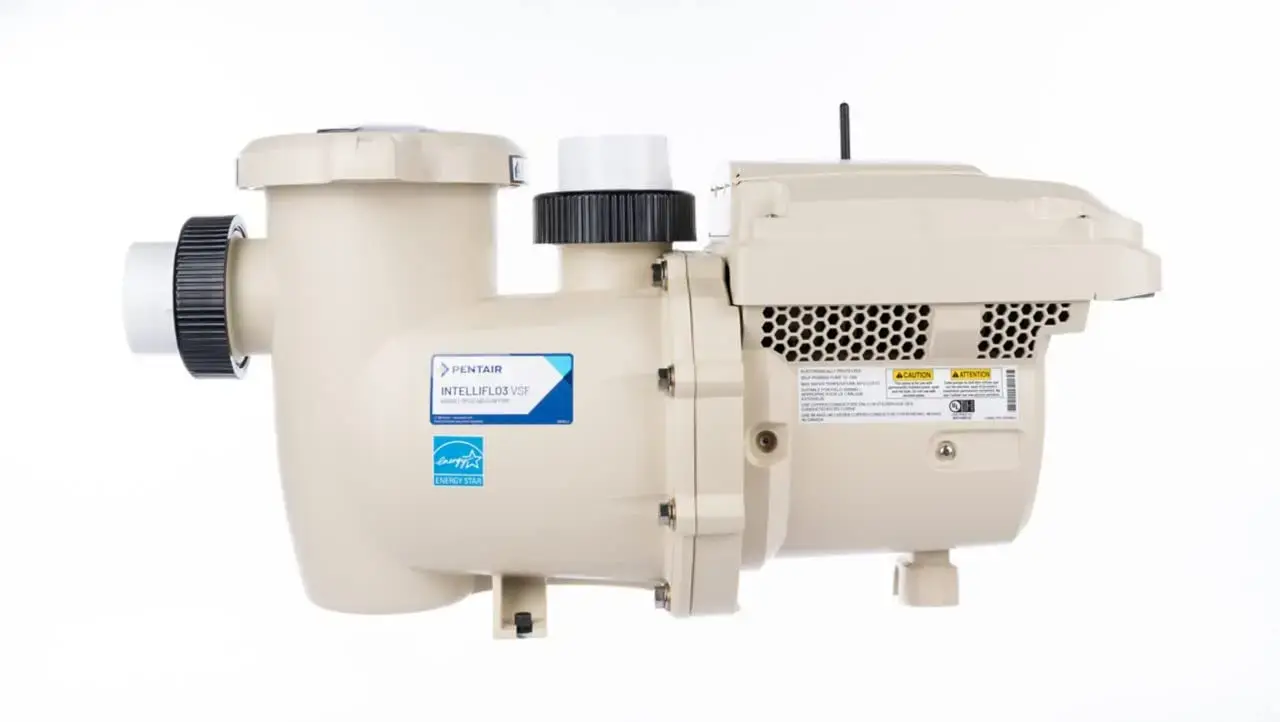
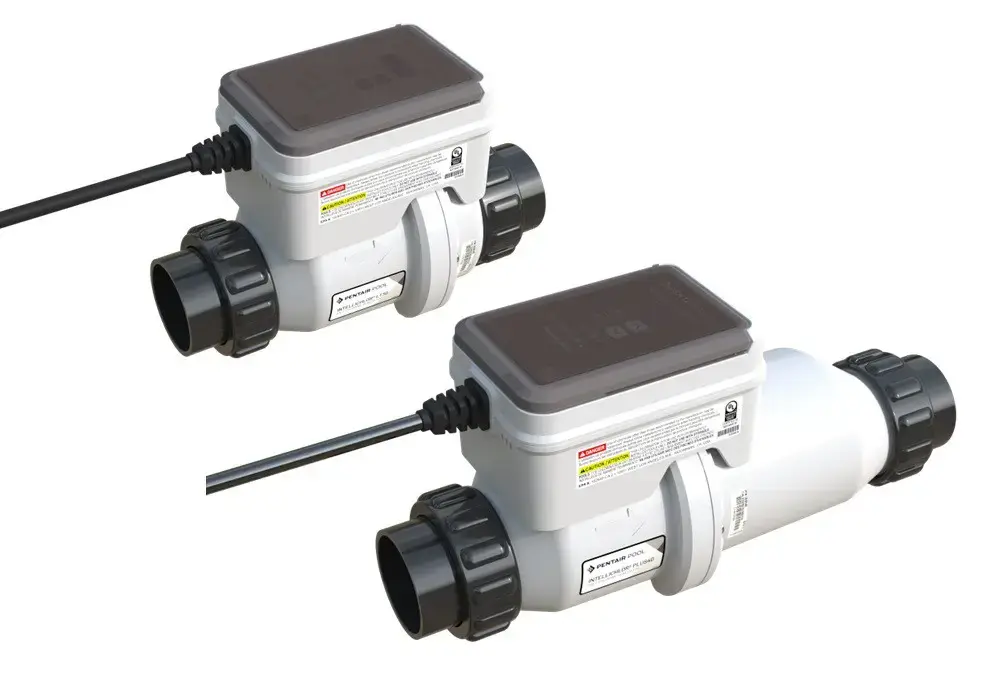
Understanding what each component does helps you recognize normal operation and identify potential problems. Below is a plain-language overview of the main components found in a typical residential pool.
3. Locate and Organize the Equipment Information
Collecting equipment information early makes future service, repairs, and warranty claims easier. Recommend gathering:
4. Ask for the Pool Records
For recently purchased homes, request the following records where available:
5. Understand the Normal Water Level
The pool water level affects how the skimmer and circulation system operate:
- —The water generally needs to remain at the proper operating level around the skimmer opening — typically near the midpoint of the skimmer face plate.
- —Water that drops too low can allow air to enter the skimmer, causing the pump to lose prime.
- —Excessively high water can reduce skimming effectiveness and affect overflow behavior.
- —Rain, evaporation, splash-out, autofill operation, and leaks can all change the water level.
Do not rely on a single universal waterline measurement — the correct level depends on the specific skimmer and pool configuration. If you suspect the pool is losing more water than normal evaporation, see the Pool Creations guide:
Is My Pool Losing Water?6. Understand the Basic Circulation Cycle
Understanding the general path water takes through the system helps you recognize normal operation and identify problems:
- 1
Water enters through skimmers and suction outlets
Floating debris is caught by the skimmer basket before reaching the pump.
- 2
The pump moves water
The pump draws water from the suction side and pushes it through the rest of the system.
- 3
The filter removes debris
Particles are captured by the filter media before water continues downstream.
- 4
Water may pass through a heater, sanitizer, or other equipment
Depending on the system configuration, water may be heated, treated, or directed through additional components.
- 5
Water returns to the pool through return fittings
Treated water re-enters the pool through the return fittings in the walls.
7. Pool Pump Basics
The pump provides circulation for the entire pool system. Key points for new owners:
- —A properly operating pump should maintain prime and stable flow without unusual noise.
- —Air beneath the pump lid, unusual noise, frequent loss of prime, or overheating may indicate a problem that requires attention.
- —Pump run schedules vary based on pool size, equipment type, season, water temperature, sanitizer type, features, and service plan.
- —Variable-speed pumps can run at different speeds for different functions — circulation, heating, cleaning, and water features may each use a different speed setting.
8. Pool Filter Basics
The filter removes particles and debris from the water. Three common filter types are found in residential pools:
Cartridge Filter
Contains pleated filter elements that are removed and rinsed clean. No backwash valve required. Cleaning frequency depends on usage and debris load.
Sand Filter
Uses a bed of filter sand to trap particles. Cleaned by backwashing — reversing water flow to flush debris out of the sand bed.
Diatomaceous Earth (DE) Filter
Uses DE powder coated on filter grids to capture very fine particles. Requires backwashing and recharging with DE powder after cleaning.
Pressure changes are the primary indicator that a filter needs cleaning — a rise above the clean starting pressure typically signals it is time to clean. Always follow the manufacturer's specific procedures for your filter model. Damaged or aging filter bodies should be inspected by a professional.
Safety: Pool filters operate under pressure. Homeowners should not open or service a filter unless they understand the manufacturer's shutdown and pressure-release procedure. If in doubt, contact a pool professional.
9. Saltwater Pool Basics
A saltwater pool is not a chlorine-free pool. The salt chlorine generator converts dissolved salt into chlorine through electrolysis. The pool water still contains chlorine — it is simply generated on-site rather than added manually.
- —Salt systems still require regular water testing and water-balance management.
- —Salt cells require periodic inspection, cleaning, and eventual replacement.
- —A salt reading from an automation display may need confirmation if it appears abnormal — use a dedicated salt test or have the water tested.
- —Coastal exposure and a saltwater sanitation system are separate issues — a pool near the ocean is not automatically a saltwater pool.
10. Pool Heater Basics
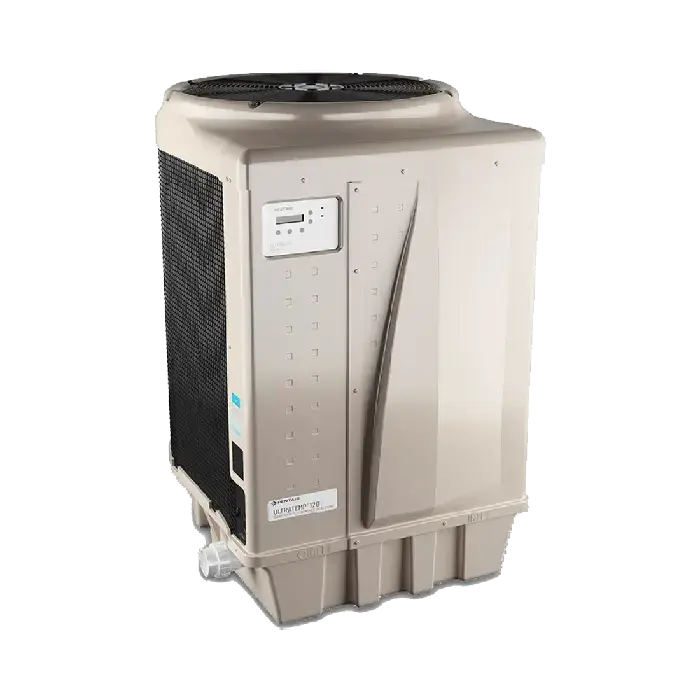
Heat Pump
Extracts heat from the ambient air and transfers it to the pool water. Energy-efficient but slower to heat than gas. Performance depends on air temperature — less effective in cold weather.
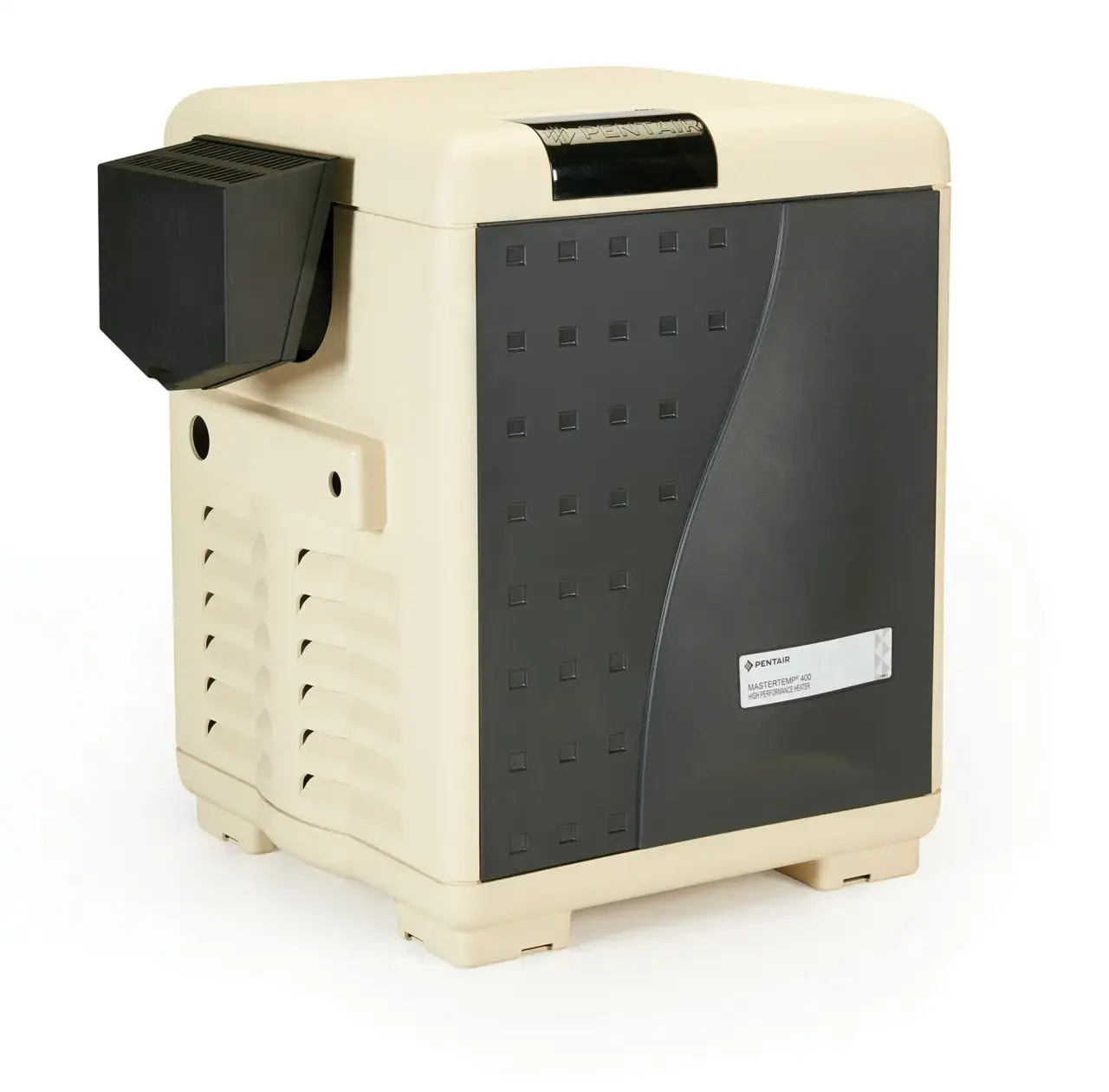
Gas Heater
Burns natural gas or propane to heat water quickly. Effective regardless of air temperature. Operating cost depends on gas prices and usage frequency.
Key points for new owners: heating time depends on the heater type, pool volume, desired temperature, air temperature, and whether a cover is used. Spa heating typically requires a separate mode or valve position. Heaters require adequate water flow to operate — a low-flow condition can trigger a fault. Regular maintenance extends heater life.
11. Automation Basics
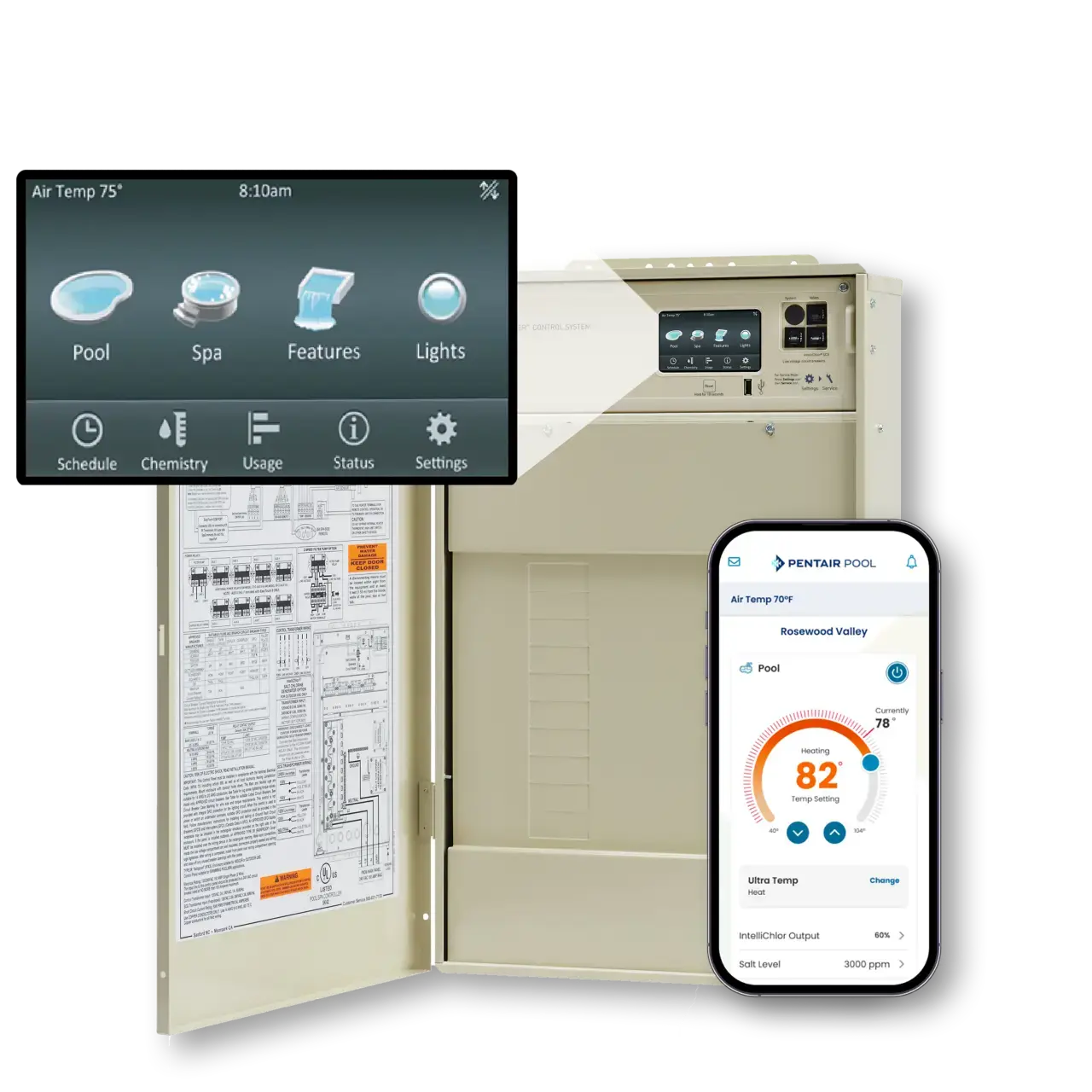
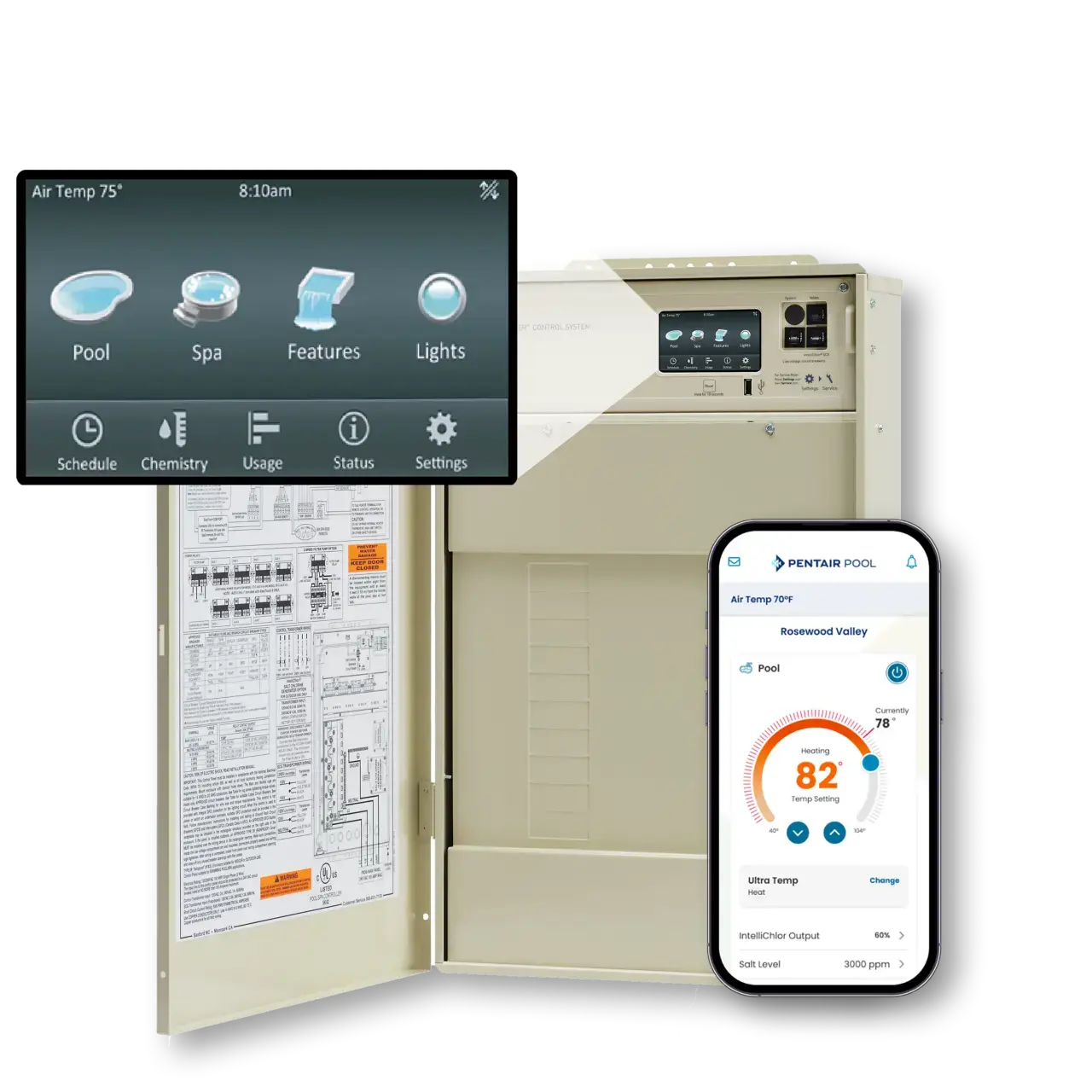
An automation system controls multiple pool functions from a central panel or mobile application. Common functions include:
- Pump schedules and speed settings
- Heater temperature and spa mode
- Pool and spa lights
- Water features
- Sanitizer output
- Valve positions
When taking over a pool with automation, identify the system brand, locate the control panel, find the mobile application, confirm login credentials, and review existing schedules before making changes.
12. Water Chemistry Basics
Maintaining balanced water chemistry protects the pool finish, equipment, and bathers. The key parameters to monitor are:
Free Chlorine
The active sanitizer that kills bacteria and algae. Levels that are too low allow algae and bacteria to grow; levels that are too high can cause irritation.
pH
Measures the acidity or alkalinity of the water. Affects chlorine effectiveness, bather comfort, and equipment longevity.
Total Alkalinity
Acts as a buffer for pH. Helps prevent rapid pH swings.
Stabilizer (Cyanuric Acid)
Protects chlorine from being broken down by UV sunlight. Relevant for outdoor pools. Levels that are too high can reduce chlorine effectiveness.
Calcium Hardness
Affects water balance and the condition of the pool finish. Low calcium can cause the water to draw minerals from the plaster or grout.
Salt
Relevant only for saltwater pools. Measured in parts per million (ppm). Target range depends on the specific salt cell manufacturer specification.
Chemistry targets may vary based on pool type, interior finish, sanitizer system, equipment, startup stage, and manufacturer instructions. Consult your pool service provider for the targets appropriate for your specific pool.
Chemical Safety
- Never mix pool chemicals together.
- Store chemicals separately and securely in a cool, dry, ventilated area.
- Follow all product labels.
- Keep chemicals out of reach of children and pets.
- Add products only with proper understanding of the pool volume and current test results.
13. What Weekly Pool Service Generally Includes
Professional weekly pool service typically covers:
The exact scope depends on the service agreement. Professional weekly service does not eliminate all homeowner responsibilities — between visits, the homeowner should monitor the water level, equipment operation, and visible conditions.
Weekly Pool Service — Pool Creations →14. DIY Care Versus Professional Weekly Service
DIY care may suit a homeowner who:
- Is present at the property consistently
- Understands water testing and chemistry
- Is comfortable monitoring equipment
- Can maintain a regular weekly schedule
- Understands chemical safety
Professional service may be preferable when:
- The homeowner is frequently away
- The pool includes a spa, heater, automation, or water features
- Equipment is unfamiliar or older
- Chemistry changes quickly
- The pool has an older finish
- The homeowner prefers documented weekly care
- Problems need to be identified early
15. What the Homeowner Should Check Between Service Visits
Safe visual checks that a homeowner can perform between professional service visits:
16. Warning Signs That Should Not Be Ignored
Contact a pool professional promptly if you observe any of the following:
17. Understand the Difference Between Maintenance, Repair, Resurfacing, and Remodeling
Maintenance
Routine care and water management — testing, balancing, cleaning, equipment observation. Ongoing and recurring.
Repair
Correcting a specific equipment, plumbing, or structural component problem. Reactive to a specific issue.
Resurfacing
Replacing the interior finish of the pool shell — plaster, quartz, or pebble. Typically needed when the finish deteriorates.
Remodeling
Broader upgrades that may include tile, coping, deck, equipment, water features, or structural changes. May include resurfacing as part of a larger scope.
18. When to Schedule a Pool Condition Assessment
A professional pool condition assessment may be helpful when:
19. Recently Purchased the Home?
If you recently purchased a home with a pool, this checklist covers the most important first steps:
- 1Photograph the equipment pad — pump, filter, heater, salt system, automation panel, and all visible components.
- 2Record all visible labels, model numbers, and serial numbers.
- 3Confirm automation access — locate the control panel and mobile app login.
- 4Obtain service records from the previous owner where available.
- 5Schedule a water test — have the chemistry tested and balanced.
- 6Review the surface, tile, coping, and deck for visible deterioration.
- 7Confirm weekly service — establish a service plan.
- 8Identify heater and sanitizer type.
- 9Ask about previous leaks, repairs, or resurfacing.
- 10Schedule a contractor-level evaluation if the pool's history is incomplete or equipment is older.
20. New Construction Pool Owners
A newly constructed pool has specific startup and curing requirements that differ from an established pool. New owners should be aware of:
21. Pool Finish Basics
The interior finish is the surface you see and touch inside the pool. Common finish types include:
Plaster
The traditional finish — smooth, white or colored. Typically the least expensive. Lifespan depends on water chemistry and maintenance.
Quartz
A blend of plaster and quartz aggregate. More durable and stain-resistant than standard plaster. Available in a range of colors.
Pebble
An exposed aggregate finish using small stones or pebbles. Highly durable and textured. Available in many color combinations.
Common finish conditions include mottling (color variation), scale (mineral deposits), staining, etching, and delamination. Not every discoloration is a defect — some variation is normal in new finishes. Persistent staining, rough texture, delamination, or structural deterioration may indicate that resurfacing is needed.
22. Tile, Coping, and Deck Basics
Three distinct components surround the pool shell:
23. Pool Safety Responsibilities
Pool ownership includes ongoing safety responsibilities. Key practical points:
24. Storm and Hurricane Preparation
General guidance for pool owners in Southwest Florida before and after a storm:
25. Seasonal and Second-Home Owners
Pool Creations provides ongoing weekly pool service for homeowners who live in Southwest Florida full-time or spend part of the year away. Continuous professional service is particularly important for properties that are vacant for extended periods.
For seasonal and second-home owners, ongoing service typically includes:
26. Build a Simple Pool Records Folder
Keeping organized pool records simplifies future service, repairs, insurance claims, and resale. Recommend saving:
Maintain both digital and paper copies where practical. A cloud folder with photos of the equipment pad and labels is a practical starting point.
27. Questions to Ask a Pool Service Company
When evaluating a pool service provider, consider asking:
28. Your First 30 Days as a Pool Owner
A practical timeline for the first month of pool ownership. Actual priorities will depend on the specific pool and its condition.
First Week
- Identify all equipment — photograph the equipment pad and record labels.
- Obtain records from the previous owner or builder where available.
- Confirm service — establish or verify a weekly service plan.
- Test the water — have chemistry tested and balanced.
- Learn basic controls — locate the automation panel and confirm access.
- Check the water level — confirm it is at the normal operating level.
First Two Weeks
- Observe equipment operation — listen for unusual sounds and confirm normal flow.
- Confirm filter condition — check pressure and schedule cleaning if needed.
- Review automation schedules — confirm pump, heater, and lighting schedules.
- Inspect visible surfaces — note any tile, coping, deck, or finish concerns.
- Record any concerns — photograph and document anything that needs attention.
First Month
- Establish recurring service — confirm the service agreement and reporting process.
- Organize warranties — register equipment warranties before deadlines pass.
- Address repairs — schedule any identified repairs with a qualified professional.
- Decide whether a condition assessment is needed — particularly if the pool's history is incomplete.
- Create a long-term maintenance plan — discuss service scope and frequency with your provider.